What Makes a Five-Star Hotel Truly Worth the Price? An Insider’s Breakdown

Sandy Marais
11 May 2026
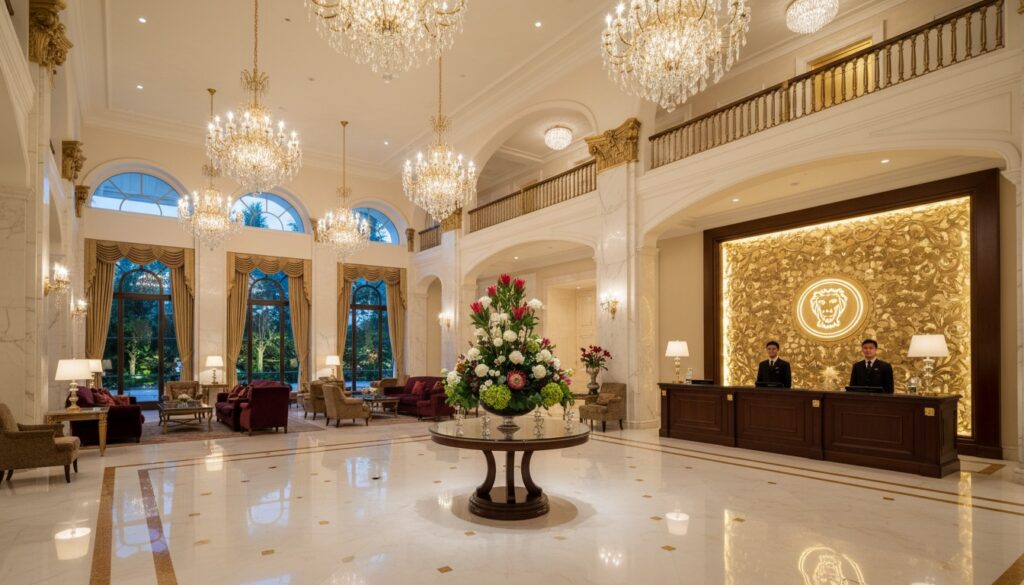
What Makes a Five-Star Hotel Truly Worth the Price? An Insider’s Breakdown
You’ve seen the glossy photos — marble lobbies, infinity pools overlooking city skylines, and beds so pristine they look like clouds wrapped in Egyptian cotton. But when you’re staring at a nightly rate of $500, $1,000, or even $5,000, a nagging question surfaces: Is it actually worth it?
As someone who has spent over a decade reviewing luxury hospitality experiences around the world, I can tell you this — not every five-star hotel earns its stars. Some are theatrical masterpieces of genuine excellence, while others are little more than overpriced real estate with a fancy logo on the towels.
In this insider’s breakdown, we’ll pull back the velvet curtain and examine exactly what separates a truly exceptional five-star hotel from one that’s merely riding on reputation. By the end, you’ll know precisely what to look for — and what to question — before you hand over your credit card.
The Star Rating System: What Does “Five Stars” Actually Mean?
Before we dive into the details, let’s address a common misconception. There is no single, universal five-star rating system. Different countries and organizations use different criteria. Forbes Travel Guide, AAA Diamond Ratings, and various national tourism boards each have their own standards.
Key Rating Bodies You Should Know
- Forbes Travel Guide — Arguably the gold standard, Forbes sends anonymous inspectors who evaluate properties on up to 900 objective criteria. A Five-Star rating from Forbes is exceptionally difficult to earn.
- AAA Five Diamond — The American Automobile Association awards its top Diamond rating based on hospitality, physical attributes, and management standards.
- Leading Hotels of the World (LHW) — A collection of independently inspected luxury properties that must meet rigorous membership standards.
- Local Tourism Boards — Many countries have government-regulated star systems, but quality can vary dramatically from nation to nation.
- Mattresses: Top-tier properties invest in custom-made mattresses, often from brands like Hästens (which can cost upward of $30,000 per unit) or proprietary designs developed with sleep scientists.
- Linens: Look for Egyptian cotton or Italian Frette linens with a thread count between 300 and 600. Contrary to popular belief, anything above 600 thread count is often marketing fluff. What matters more is the quality of the cotton fiber and the weave.
- Pillows: Genuine five-star hotels offer a pillow menu — a selection of options ranging from memory foam to goose down to hypoallergenic alternatives.
- Turndown Service: This nightly ritual isn’t just about folding your sheets into a neat triangle. It includes dimming lights, closing curtains, setting the temperature to your preference, placing slippers beside the bed, and sometimes leaving a small treat like handmade chocolates or a personalized note.
- Amenities: Five-star properties partner with high-end brands like Aesop, Le Labo, Byredo, Acqua di Parma, or Hermès. If you see generic, unbranded bottles, you’re not in a true luxury environment.
- Hardware and Fixtures: Expect rainfall showerheads, separate soaking tubs, heated floors, and dual vanities in top-tier suites. Materials should include natural stone, premium porcelain, and brushed or polished metal finishes.
- Towels: They should be thick, absorbent, and plentiful. Many five-star hotels use towels weighing 600 to 900 GSM (grams per square meter) — significantly heavier than the standard 400 GSM found in mid-range hotels.
- Smart room controls for lighting, temperature, curtains, and entertainment from a single tablet or panel
- High-speed Wi-Fi that’s complimentary (yes, charging for Wi-Fi at a five-star hotel is a deal-breaker)
- Premium entertainment systems with large-format smart TVs, Bluetooth speakers, and streaming service access
- USB-C and wireless charging stations at every logical location — bedside, desk, and bathroom
- You mention in passing that you love a particular type of tea. The next morning, it appears on your breakfast tray without you ordering it.
- You arrive with a child, and within minutes, age-appropriate toys, a step stool in the bathroom, and a kid-friendly menu appear in your room.
- You return from a rainy excursion, and your shoes have been dried and polished while you were at dinner.
- Secure tickets to sold-out events
- Arrange private museum tours outside of public hours
- Organize bespoke experiences like helicopter rides, private yacht charters, or meetings with local artisans
- Handle complex travel logistics across multiple countries and time zones
- Name recognition: Addressing you by name after a single introduction
- Cultural sensitivity: Adapting greetings, dining customs, and service styles to your cultural background
- Discretion: Protecting your privacy absolutely, whether you’re a celebrity or a couple on honeymoon
- Problem resolution: Turning mistakes into memorable recovery moments (a concept known as service recovery paradox)
- Michelin-starred or award-winning restaurants on-site, often helmed by internationally recognized chefs
- Breakfast that feels like an event — not a buffet of lukewarm scrambled eggs, but made-to-order dishes with locally sourced, seasonal ingredients
- 24-hour in-room dining with a menu that maintains the same quality standards as the main restaurant
- Sommelier-curated wine lists and craft cocktail programs designed by award-winning mixologists
- Dietary accommodations handled with expertise and creativity, not as an afterthought
- Is the bread baked in-house?
- Are the coffee beans single-origin or specialty grade?
- Is butter served at the correct temperature?
- Are dietary restrictions handled proactively and gracefully?
- Nickel-and-diming: Charging for Wi-Fi, bottled water, or basic gym access at premium rates is a major red flag.
- Generic amenities: If the toiletries are unbranded or the minibar is stocked with mass-market snacks, the hotel is cutting corners.
- Slow or indifferent service: If it takes 30 minutes to get a coffee or staff seem disengaged, no amount of marble can compensate.
- Outdated rooms disguised with luxury branding: Worn carpets, dated fixtures, and poor soundproofing are inexcusable at premium price points.
- Overly aggressive upselling: A truly luxurious experience should feel generous, not transactional.
- Poor online reputation management: If a hotel responds to negative reviews with defensive or dismissive language, it reveals a culture problem.
- Book directly with the hotel rather than through third-party sites. Direct bookings often come with complimentary upgrades, breakfast, late checkout, and resort credits.
- Join loyalty programs — even if you only stay once. Programs like Marriott Bonvoy, Hilton Honors, Hyatt World of Hyatt, and IHG One Rewards offer elite-tier benefits that can dramatically enhance your stay.
- Travel during shoulder season to enjoy the same property at 30-50% lower rates with fewer crowds.
- Leverage credit card benefits. Cards like the Amex Platinum or Chase Sapphire Reserve offer access to programs like Fine Hotels & Resorts (FHR) or Luxury Hotel & Resort Collection (LHRC), which bundle hundreds of dollars in added perks.
- Communicate your preferences before arrival. Email the hotel with any special requests — anniversary celebrations, dietary needs, pillow preferences, or room location desires.
- Engage the concierge early. Don’t wait until the last day to ask for recommendations. The best experiences require advance planning.
- Tip generously and appropriately. In many cultures, thoughtful tipping opens doors to exceptional, personalized service.
- Provide feedback in real time. If something isn’t right, mention it immediately. Great hotels want to fix problems — and they’ll often overcompensate to make it right.
Insider Tip: A “five-star” hotel in one country may be equivalent to a three-star property elsewhere. Always cross-reference ratings from multiple sources before booking.
The takeaway? Stars alone don’t tell the full story. What matters is the substance behind the rating — and that’s what we’ll explore next.
The Tangible Luxuries: What Your Money Buys
Let’s start with the things you can see, touch, and measure. These are the physical and material elements that distinguish a genuinely premium property.
Thread Counts, Linens, and the Science of Sleep
A five-star hotel lives and dies by the quality of its beds. This isn’t just about a comfortable mattress — it’s an entire sleep ecosystem.
What to watch for: If a hotel advertises “luxury linens” but the sheets feel stiff, scratchy, or overly starched, it’s a red flag. True quality cotton feels soft and cool against the skin from the very first touch.
Bathroom Standards That Signal True Quality
The bathroom is one of the most revealing spaces in any hotel room. Here’s what separates the exceptional from the ordinary:
Technology and In-Room Features
Modern luxury is increasingly defined by seamless technology integration:
The Intangible Luxuries: Service That Money Can’t Easily Replicate
Here’s where the true magic of a five-star experience lives. Physical amenities can be purchased and installed, but world-class service requires culture, training, and genuine human connection. This is the hardest thing to fake — and the easiest way to spot a pretender.
The Art of Anticipatory Service
The hallmark of a genuine five-star hotel isn’t just responding to your requests — it’s anticipating them before you even ask.
Butler and Concierge Services
A dedicated butler service is one of the clearest indicators of a top-tier property. Your butler handles everything from unpacking and pressing your clothes to drawing your bath at the perfect temperature and making dinner reservations at fully booked restaurants.
Meanwhile, a world-class concierge can:
The Clefs d’Or Test: Look for the iconic crossed golden keys on a concierge’s lapel. This symbol represents membership in Les Clefs d’Or, an international association of hotel concierges who have passed rigorous professional examinations. Their presence is a strong quality signal.
Staff Training and Emotional Intelligence
At the world’s finest hotels — think The Ritz Paris, Aman Tokyo, The Peninsula Hong Kong, or Claridge’s London — staff undergo hundreds of hours of training. This includes:
Dining: Where Michelin Stars Meet Hospitality
Food and beverage is often where five-star hotels either cement their reputation or reveal their weaknesses.
What Elite Hotel Dining Looks Like
The Details That Matter
Pay attention to the small things at the dining table:
Red Flags: How to Spot an Overpriced Imposter
Not every hotel charging five-star prices delivers five-star quality. Here are the warning signs that a property isn’t living up to its price tag:
Pro Tip: Before booking, read the three-star reviews on TripAdvisor or Google — not the five-star or one-star ones. Three-star reviewers tend to be the most balanced and detailed in their assessments.
How to Get the Most Value From a Five-Star Stay
If you’ve decided to invest in a luxury hotel experience, here’s how to maximize every dollar:
Booking Strategies
During Your Stay
Conclusion: The True Currency of Five-Star Luxury
So, what makes a five-star hotel truly worth the price? It’s not just the thread count or the marble bathroom or the Michelin-starred restaurant — though those things certainly matter.
The real value lies in how a hotel makes you feel. It’s the sensation of being genuinely cared for. It’s the invisible choreography of a team that anticipates your needs, respects your privacy, and creates moments of unexpected delight. It’s the difference between a place that looks luxurious and one that feels luxurious in every interaction.
When a five-star hotel gets it right, you don’t just remember the room — you remember the experience. And that is what justifies the premium.
The next time you’re evaluating a luxury property, look beyond the surface. Ask the right questions, watch for the details we’ve discussed, and trust your instincts. Because true five-star excellence isn’t about spending the most money — it’s about spending it wisely.
Your Turn: Share Your Luxury Hotel Experiences
Have you stayed at a five-star hotel that genuinely blew you away — or one that left you feeling shortchanged? We’d love to hear your stories. Drop a comment below with the hotel name, what impressed you (or didn’t), and your top tip for fellow luxury travelers.
And if you found this guide helpful, subscribe to our newsletter for more insider travel insights delivered straight to your inbox every week. Your next extraordinary trip starts with knowing what to look for — and now you do.